

UK Lords Vote to Ban VPNs for Under-18s: The Digital Doomsday Crackdown Continues


The digital doomsday crackdown continues in the UK, following the news that the House of Lords voted in favor of banning VPNs for young people. Under the new rules, VPN providers would be forced to verify the age of all UK users, employing "highly effective" age-assurance methods to make sure no one using the service is under 18.
The amendment was added to the Children's Wellbeing and Schools Bill during Report Stage on January 21, 2026.
More and more parts of the internet are behind a verification wall forcing UK citizens to hand over their private information to the government who outsources to a company based in America. The reality is that these verification systems typically require government-issued ID or facial scans, creating massive databases of personal information that become attractive targets for hackers.
Why This Is Doomed to Fail
Decisions like this are not well thought out and will only lead to more gray-hat online behaviour by young people in the future. Reports from Australia's similar social media ban show kids have already found workarounds using VPNs, changing their birth year to show they're 17, drawing on moustaches to fool facial recognition AI, or using photos of older relatives The Register. The UK seems determined to learn these lessons the hard way.
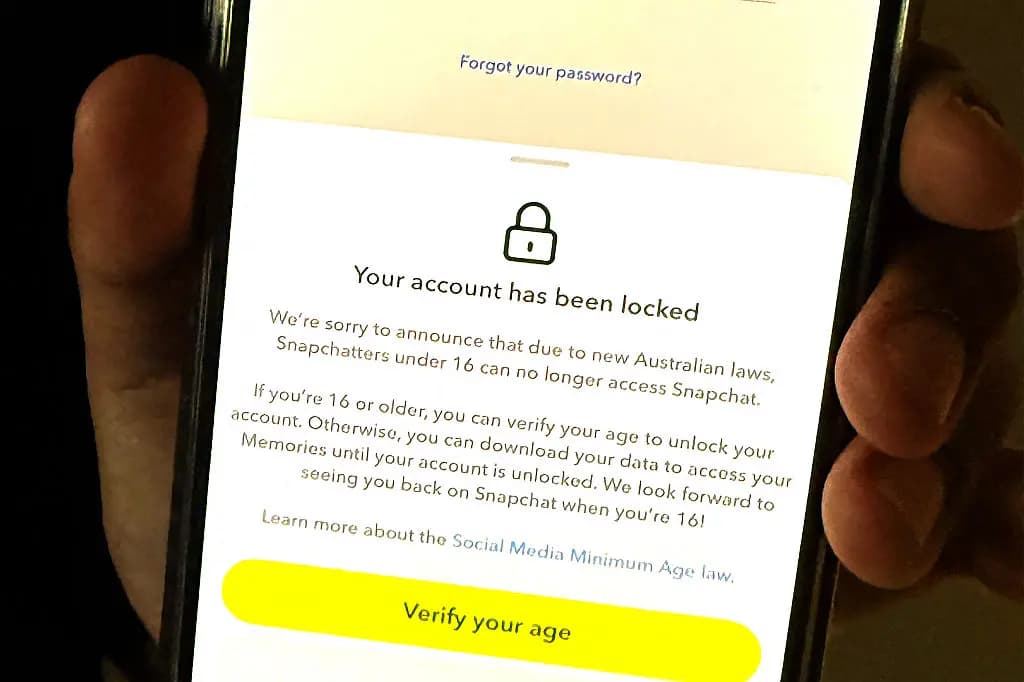
The enforcement challenges are massive. The requirements would apply to any VPN service that markets itself to UK consumers or is used by a "significant number" of people in the country TechRadar. But how exactly do you enforce this against VPN providers operating from jurisdictions that don't recognize UK law? The answer is you can't, not effectively.
Windscribe CEO Yegor Sak called the UK House of Lords proposal to ban VPNs for children the "dumbest possible fix" TechRadar, and it's hard to disagree. Young people who are tech-savvy enough to want a VPN in the first place will simply find providers that don't comply, or they'll use alternative circumvention methods. Meanwhile, legitimate privacy needs go unmet.
What This Means for Crypto Casino Players
So if this law were to come into place, what would you do to access your favorite crypto casino if you don't want to give your ID? The good news is that the amendment still needs to pass through the House of Commons, where the government has actually opposed these changes. But if you're in the UK and want to prepare for the worst-case scenario, you have two main options.
Option 1: Privacy-First VPN Services
Firstly, Mullvad would be the choice of VPN in this scenario. It's £5 a month, can take crypto and even mail in cash. They will never KYC you; you don't even need to provide an email address in order to purchase a subscription. Mullvad are number 1 when it comes to privacy, but they also put their money where their mouth is.
In April 2023, Swedish Police raided Mullvad HQ, only to find out that Mullvad had zero personal data of any of their paying customers. This is exactly the kind of service that would be impossible to force into the UK's age verification regime without fundamentally changing their business model (which they've shown zero interest in doing).
The key advantage of Mullvad in this context is that they operate under Swedish jurisdiction and have consistently refused to implement logging or user identification. If UK authorities wanted them to age-verify British users, Mullvad would likely just geo-block the UK entirely rather than compromise their principles. But savvy users could still access their service through other means.
Option 2: Non-Geoblocked Crypto Casinos
Another option is to play on a crypto casino not geoblocked in the UK, which is a little rare as most sites want to keep far away from the wrath of the UKGC. But there are two crypto casino sites that are available in the UK to play with no VPN required: Betbolt and Duel.
While their long-term availability in the region is questionable, and most slots are not accessible from the UK, both sites are decent experiences, relaxed on KYC, and Duel even has 0% house edge on their originals, making it a very popular choice for smart gamblers. The beauty of crypto casinos is that they exist in a regulatory gray area where traditional enforcement is difficult. They don't operate under UKGC licenses, so they don't have to play by the same rules.
Where This Is All Heading
The UK's approach to online regulation increasingly looks like digital isolationism. Between age verification for porn sites, social media bans for teenagers, and now VPN restrictions, the government is building walls around the British internet. The stated goal is child safety, but the practical effect is training an entire generation to circumvent digital restrictions.
Ofcom research suggests that only one in 10 VPN users is a child, meaning the vast majority of VPN use is by adults for legitimate purposes UK Parliament. Yet the government is willing to undermine everyone's privacy to target a minority use case. This is the same flawed logic that leads to mass surveillance programs: punish everyone for the actions of a few.
The amendment also includes provisions for monitoring and enforcement. The government would be tasked with establishing a monitoring regime, including "effective enforcement" measures that would penalize non-compliant companies TechRadar. Translation: they want the power to fine or block VPN providers who don't comply. Good luck with that when many of the best VPN services operate from privacy-friendly jurisdictions specifically to avoid this kind of overreach.
What Happens Next?
It's important to understand that this is still just an amendment passed by the House of Lords. The Children's Wellbeing and Schools Bill now goes to the House of Commons, where the government has already indicated it opposes these specific changes. There's a real chance this gets stripped out or significantly watered down.
But even if this particular amendment fails, the direction of travel is clear. The UK government is committed to age verification as a policy, and VPNs are seen as the main obstacle to making it work. Expect more attempts to restrict VPN access in the future, whether through direct bans, pressure on app stores, or making it harder for payment processors to work with VPN providers.
For now, crypto casino players in the UK should keep an eye on parliamentary proceedings and have backup plans ready. Whether that means securing a Mullvad subscription, finding non-geoblocked platforms, or just staying informed about which services are still accessible, being prepared is better than being caught off guard.
The irony is that all of this regulation is supposed to protect people, but it's actually pushing them toward riskier behavior. When you make it hard to access legitimate privacy tools, people don't just give up. They find alternatives, often less secure ones.
Did you find this article helpful?
Contents
Trending Topics
Recent News

Trainwreckstv's $2.5M Keno Xtreme Win Cost Him $1M in Expected Value
Jan 23, 2026
Why Sportsbooks Want You to Bet Parlays (And Why You Shouldn't)
Jan 21, 2026
House Edge Explained: Why You're Losing More Than You Think (And Which Games Give You a Chance)
Jan 11, 2026
Comments 0
No comments yet
Be the first to share your thoughts!